


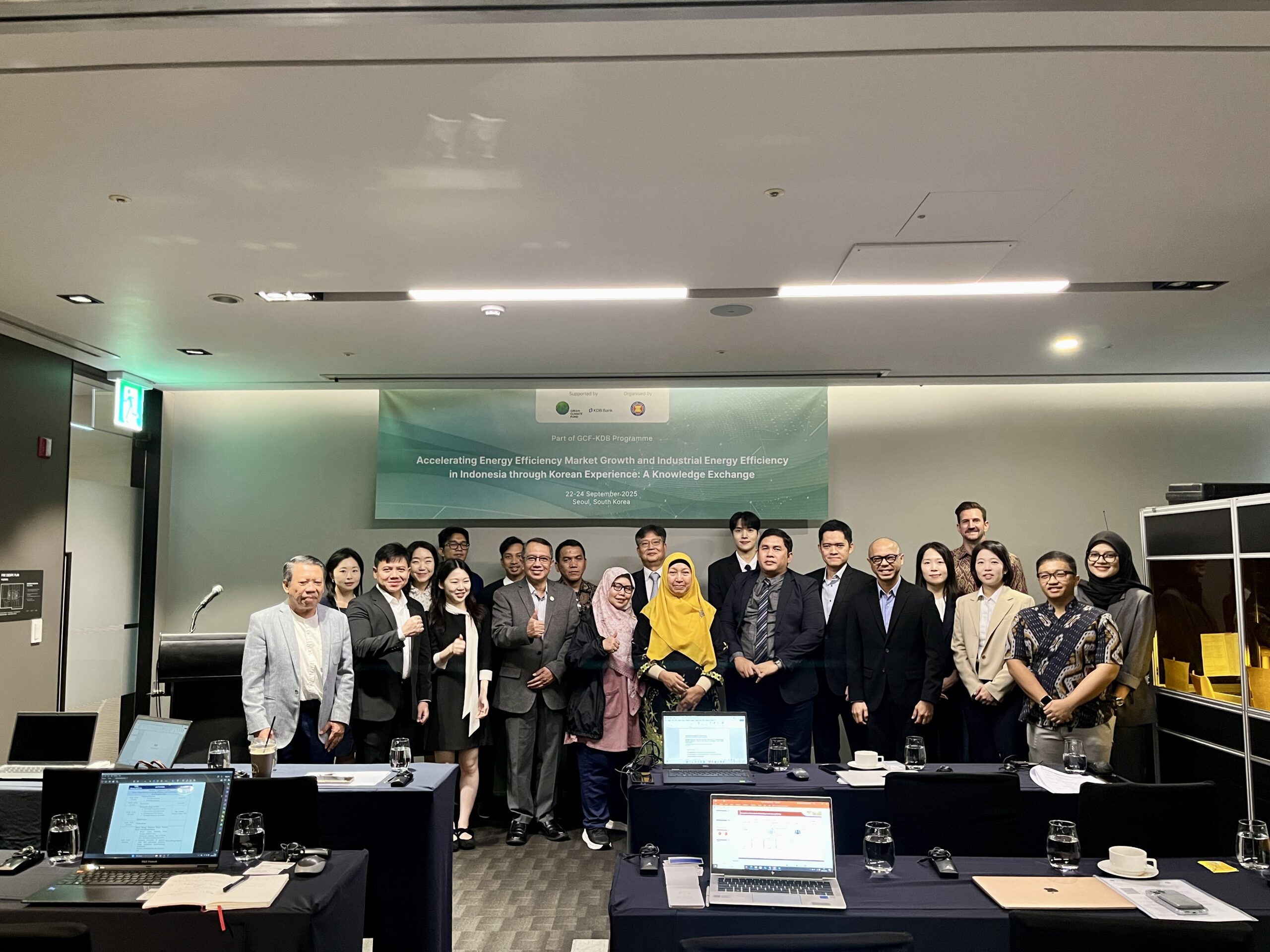
Photo 1. Participants from Indonesia and Korea pose for a group photograph, reflecting the collaborative spirit of the three-day knowledge exchange held in Seoul.
Seoul, 22–24 September 2025 – The ASEAN Centre for Energy (ACE) organised a three-day knowledge exchange as part of the GCF–KDB Programme: Supporting Innovative Mechanisms for Industrial Energy Efficiency Financing in Indonesia, aimed at drawing lessons from Korea’s well-established energy efficiency policies and financing mechanisms to enhance Indonesia’s regulatory and market readiness.
The workshop included 26 participants: 15 from Indonesia and 11 from Korea, with a gender ratio of 70% male and 30% female. Representatives from government agencies, energy efficiency associations, financial regulators, and ESCOs demonstrated both countries’ strong commitment to industrial decarbonisation and collaboration on sustainable finance.
Discussions were structured over three thematic days. On Day 1, the discussion focused on policy dialogue and knowledge sharing on both countries’ energy efficiency frameworks. The discussions then continued Day 2, featuring a field visit to the Banwol-Sihwa Industrial Complex to observe Korea’s green industrial zones and integrated energy systems. At last, the event closed on Day 3, centered on sustainable finance, financing mechanisms for industrial EE, and gender-inclusive financing approaches. These sessions collectively strengthened Indonesia’s understanding of Korea’s EE ecosystem and identified practical pathways to enhance EE investment readiness.


Photo 2. Rio Jon Piter Silitonga, ACE (left) and Hangsuk Choi, KDB (right) deliveredopening remarks.
Day 1 commenced with remarks from Rio Jon Piter Silitonga, Senior Officer at ACE, who underscored the urgency for industrial transformation within the energy efficiency agenda and highlighted prospects for collaboration between the Korea Industrial Complex Corporation (KICOX) and ASEAN, particularly Indonesia. The workshop then continued with a keynote speech from Hangsuk Choi, General Manager of the Global Financial Cooperation Centre at Korea Development Bank (KDB), who explained the details of KDB’s support for innovative financing, which includes collaboration with the Green Climate Fund (GCF), and its role in fostering private sector engagement and knowledge exchange. Their speeches both underscored the importance of deepening Indonesia-Korea cooperation on energy efficiency.
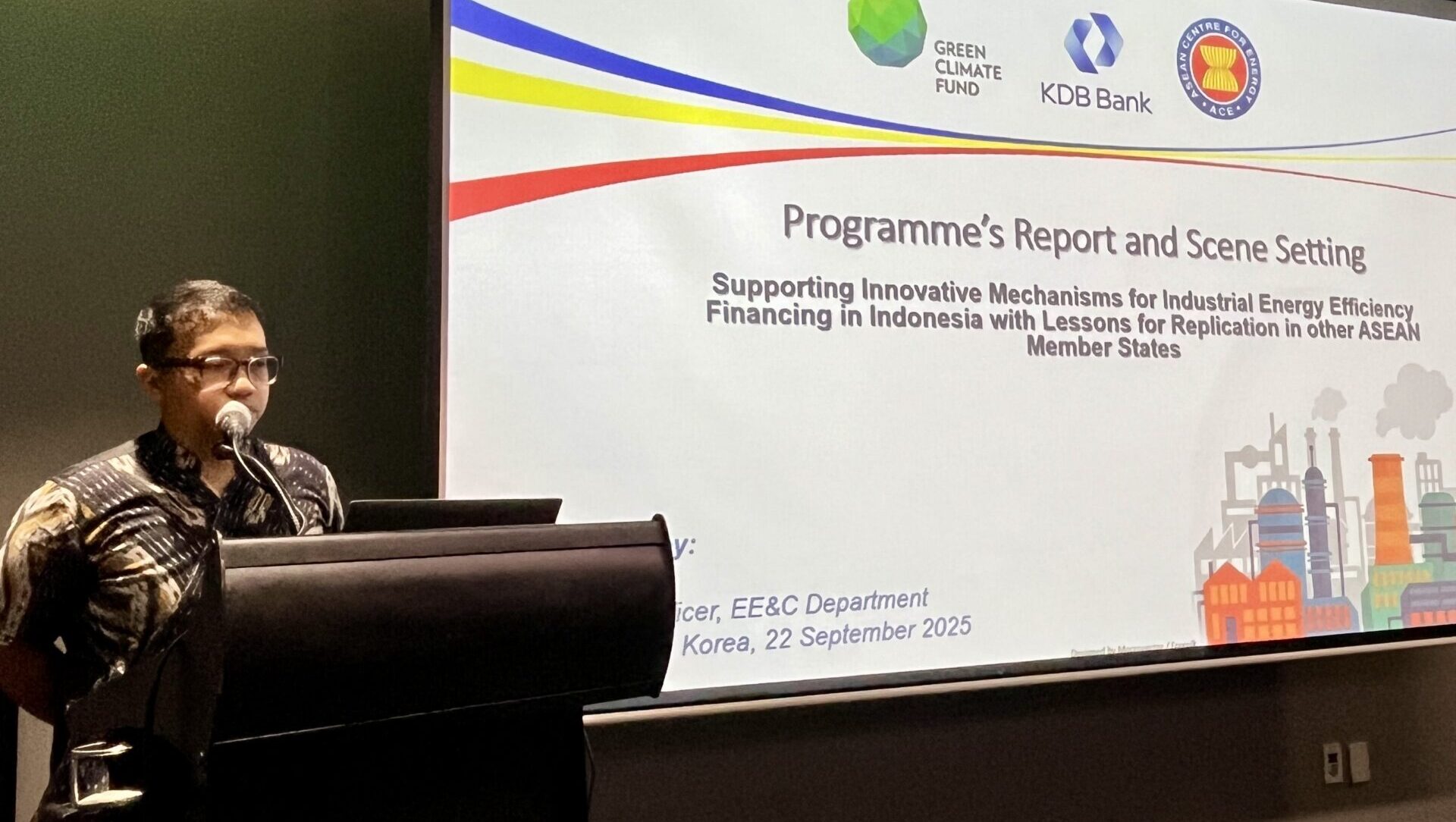

Photo 3. Dan Resky Valeriz, ACE (top) and Su-hyeon Heo, KDB (bottom), delivering presentations during the session.
The workshop then continued with a scene-setting presentation, delivered by Dan Resky Valeriz, Technical Officer at ACE, who presented the GCF-KDB Programme’s current progress and challenges. The session was then followed by Su-hyeon Heo, Senior Manager of the Demand-Side Policy Division at Korea Energy Agency (KEA), who outlined Korea’s EE governance, mandatory audits, MEPS enforcement, and national energy management systems.


Photo 4. Devi Laksmi, EBTKE (top), Seonjoon Park, KEA (middle), and Dr Ruddy Gobel, Centre for Policy Development (bottom) delivering presentations during the session.
A presentation then delivered by Devi Laksmi, Coordinator at the Directorate of Energy Conservation (EBTKE), Ministry of Energy and Mineral Resources, who explained a detailed regulatory update on Indonesia’s energy efficiency landscape. This was succeeded by Rio Jon Piter Silitonga of ACE, who offered a comparative overview of ESCO development across ASEAN member states.
The following session was proceeded by Seonjoon Park, Team Manager of the Energy & Resource Finance Division at KEA, who explained Korea’s evolution of ESCOs and associated financing mechanisms. At the end of the day, Dr Ruddy Gobel, Senior Policy Adviser at the Centre for Policy Development, presented a series of recommendations for Indonesia, encompassing reforms to energy efficiency policy, the promotion of bank-led financing models, ESCO incubation, and the adoption of industrial park-based approaches.


Photo 5. Hyunho Yun, KICOX (top), Ricko Immanuel, Ministry of Industry (middle) and Wahyu Firdhianto, Ministry of Industry (bottom) presenting during the session.
Day two started with a presentation from Hyunho Yun, Senior Manager at the KICOX Gyeonggi Regional Headquarters, who introduced Korea’s Smart and Green Industrial Zone strategy. He highlighted digital infrastructure, renewable energy development, solar integration, and low-carbon technologies that drive the industrial zones' decarbonisation progress.
Later, the Indonesian delegation provided updates through a presentation delivered by Ricko Immanuel, Industry Supervisor at the Green Industry Centre, Ministry of Industry, who outlined industrial decarbonisation pathways and certification efforts. This was followed by Wahyu Firdhianto, Team Leader at the Directorate of Industrial Region, Ministry of Industry, who presented progress on Indonesia’s Eco-Industrial Park (EIP) regulation.

Photo 6. Delegates observed facility operations during a site visit to the GS Power Plant, where Combined Heat and Power (CHP) technology supports industrial energy needs within the KICOX Gyeonggi area.
The workshop then continued with a field visit to GS Power Plant, a utility company that supplies both electricity and steam to meet industrial energy needs within the KICOX Gyeonggi area in Ansan. The plant employes Combined Heat and Power (CHP) technology, which simultaneously generates electricity and heat and supply to more than 200 tenants within industrial park, enhancing overall energy efficiency. The facility utilises various energy sources, including coal, liquefied natural gas (LNG), and liquefied petroleum gas (LPG).


Photo 7. Presentations from Mohamad Ajie Maulendra, OJK (left) and by Jaehak Hwang, FSS (right).
The final day opened with a presentation by Mohamad Ajie Maulendra, Deputy Director at OJK’s Department of Regulation and Development of Financing Institutions, who presented Indonesia’s sustainable finance roadmap, the development of the green taxonomy (TKBI), and opportunities for scaling energy efficiency lending across financial institutions. This was followed by Jaehak Hwang, Lead Manager of the ESG and Finance Research Team at the Financial Supervisory Service (FSS), who discussed Korea’s strengthened green loan guidelines, transition finance mechanisms, and national climate finance mobilisation targets.

Photo 7. Gyeongmin You, delivering a presentation on GCF–KDB credit guarantee scheme.
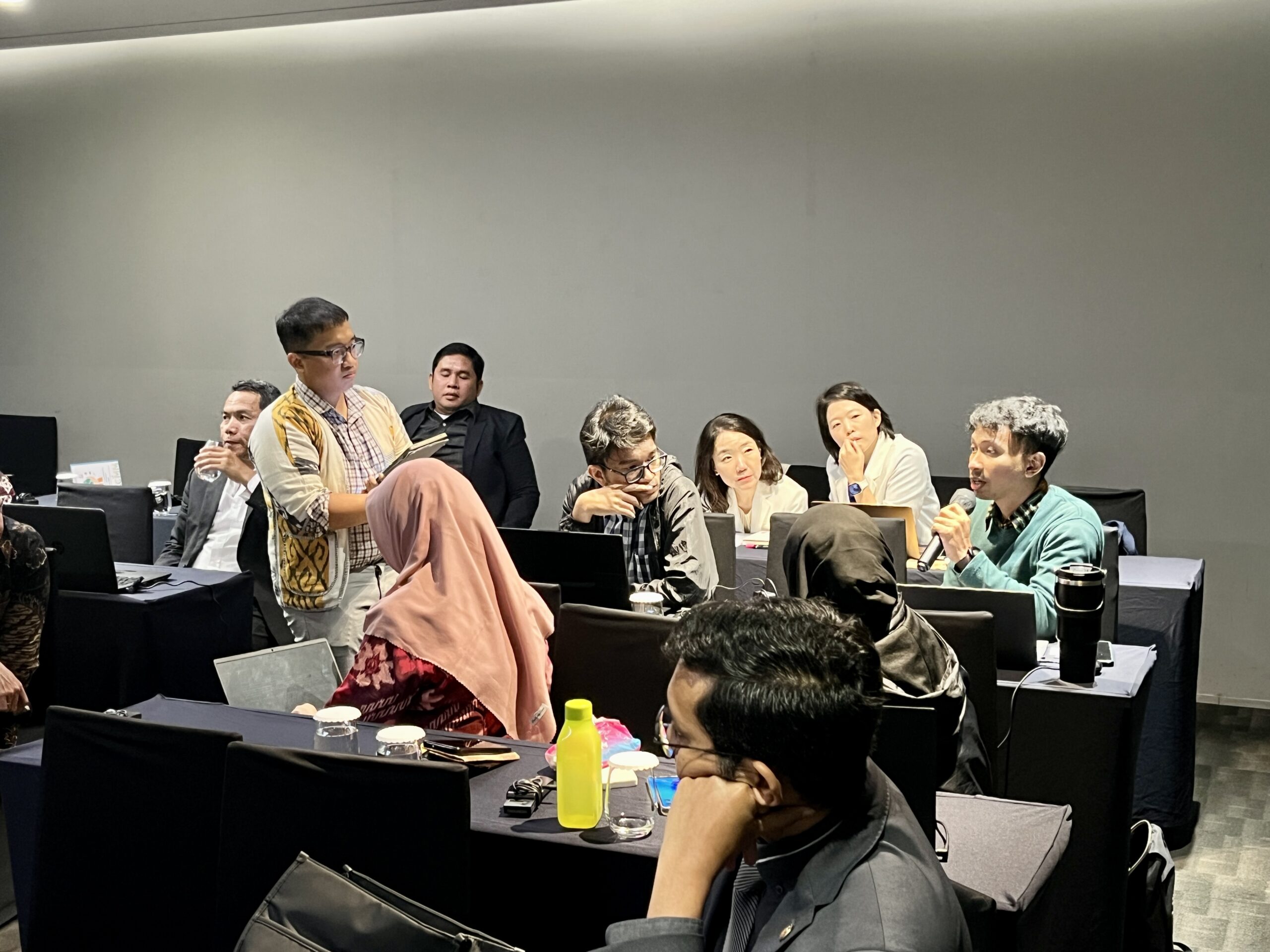
Photo 8. Dan Resky Valeriz moderating the Focus Group Discussion on EE financing opportunities.
Gyeongmin You, Senior Officer at KDB’s Global Business Department, was next to present the GCF-KDB energy efficiency credit guarantee scheme, outlining eligibility requirements, guarantee coverage, and collaborating financial institutions. The day then continued with a Focus Group Discussion (FGD), moderated by Dan Resky Valeriz, Technical Officer at ACE, who facilitated dialogue on identifying project pipelines, barriers to EE investment, and priority activities under the GCF-KDB Programme.
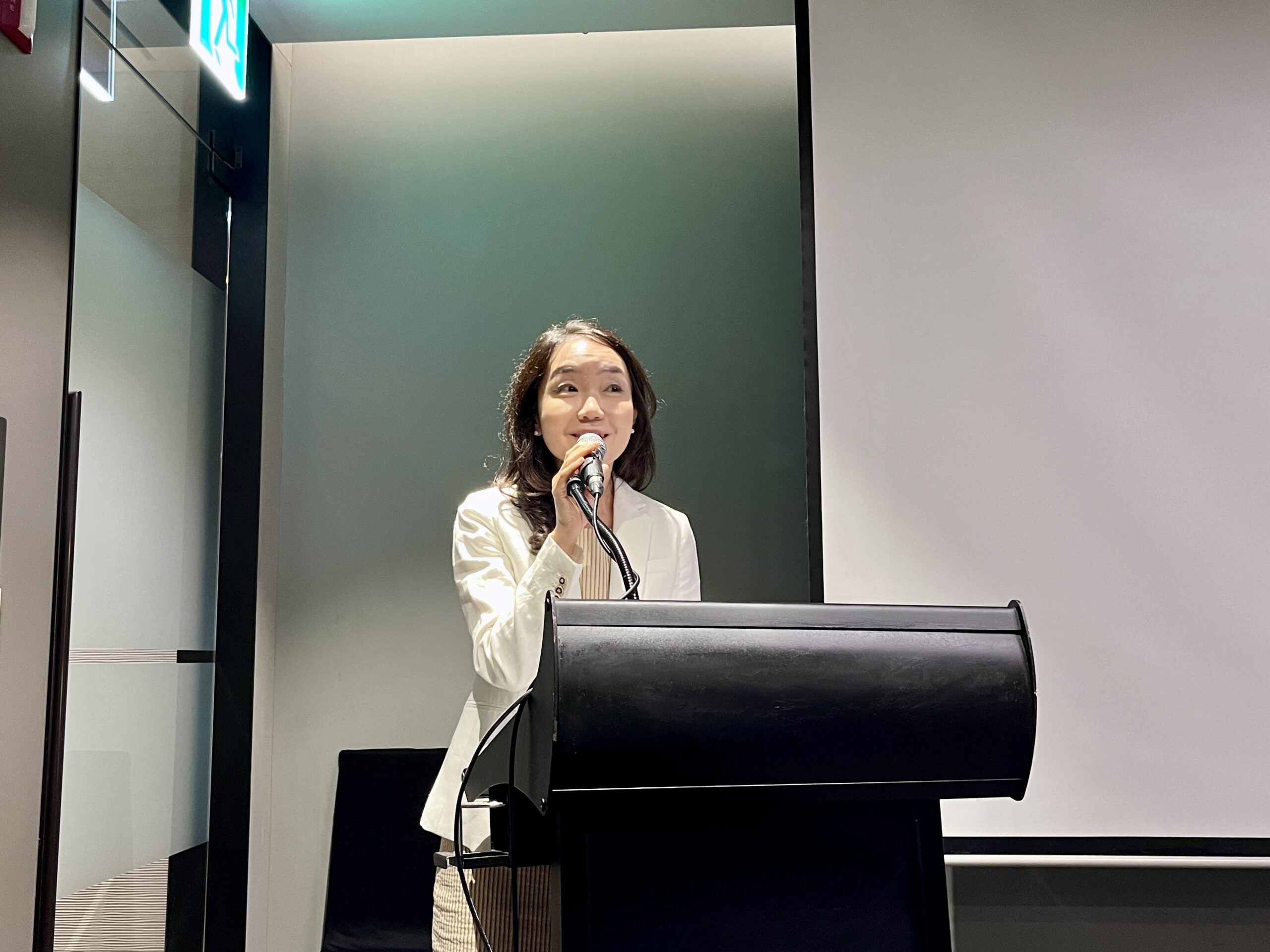

Photo 7. Sekyung Park, Team Head at KDB (left), and Zulfikar Yurnaidi, Head of Energy Modelling and Policy Planning at ACE (right) deliver closing remarks.
The workshop concluded with remarks from Sekyung Park, Team Head at the Korea Development Bank, who thanked all delegates for their contributions and reaffirmed KDB’s commitment to supporting Indonesia’s industrial energy efficiency efforts. Zulfikar Yurnaidi, Head of Energy Modelling and Policy Planning (MPP) at ACE, also expressed appreciation for the strong collaboration between KDB and ACE, noting that the discussions provided a valuable platform to strengthen partnerships and advance innovative approaches to accelerate energy-efficiency initiatives in Indonesia. Their remarks reaffirms both ACE and KDB’s commitment to strengthening cooperation on industrial energy efficiency.
** About the GCF–KDB Programme The GCF–KDB Programme: Supporting Innovative Mechanisms for Industrial Energy Efficiency Financing in Indonesia is a partnership between the Green Climate Fund (GCF) and the Korea Development Bank (KDB), implemented with support from the ASEAN Centre for Energy (ACE). The programme advances industrial decarbonisation by expanding access to energy-efficiency finance through a credit guarantee facility and targeted grants, helping reduce investment risks, mobilise greater lending from local financial institutions, and strengthen the policy and institutional conditions needed to scale energy-efficiency projects across Indonesia. More information is available at https://aseanenergy.org/gcf-kdb/about/.


