


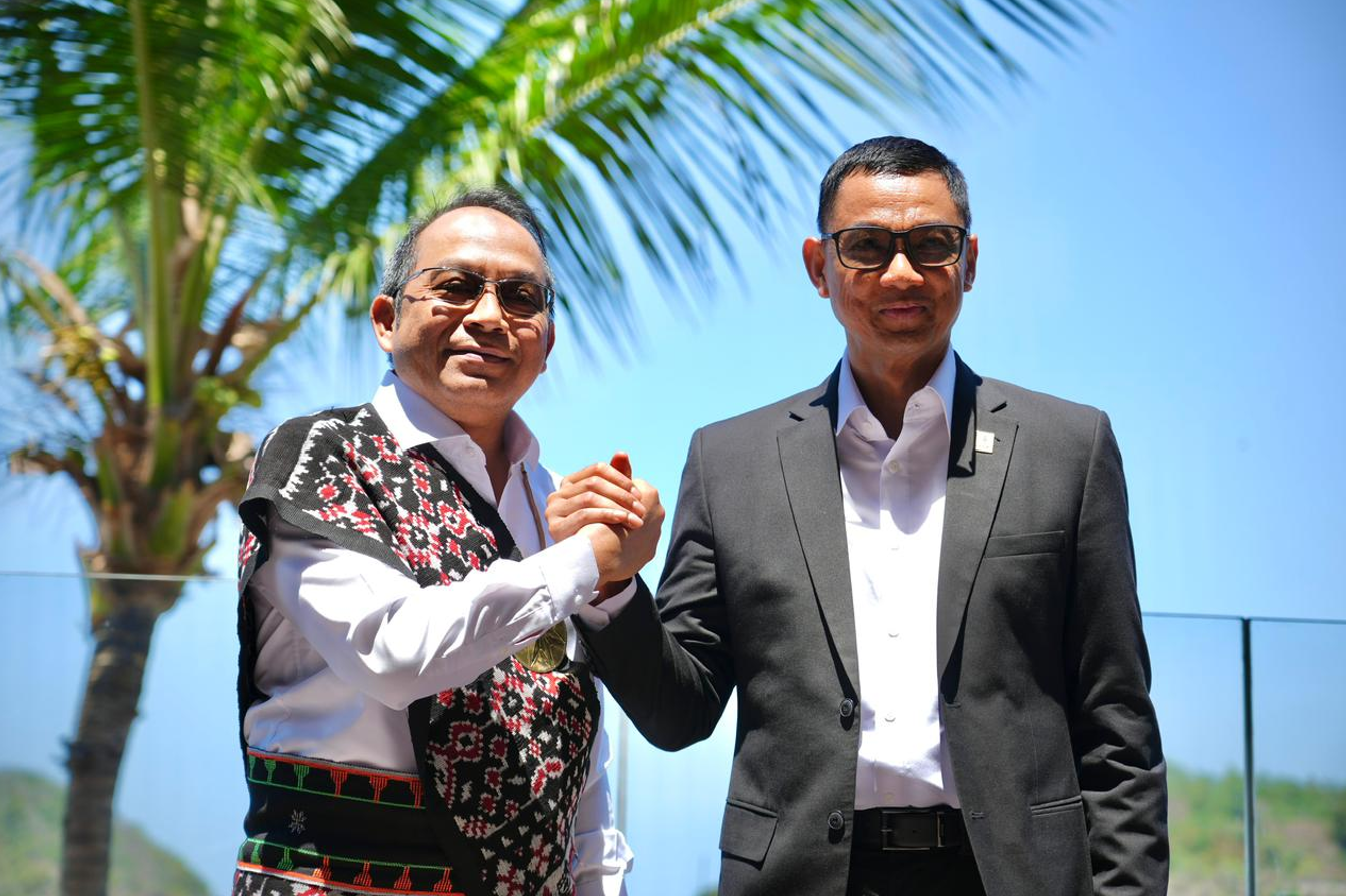
Photo 1 Dato’ Ir. Ts. Razib Dawood (left), Executive Director of ACE and Darmawan Prasodjo, PhD. (right), President Director of PT PLN (Persero).
Labuan Bajo, 3 October 2025 – On the sidelines of the 41st HAPUA Council Meeting, the ASEAN Centre for Energy (ACE), led by its Executive Director, Dato’ Ir. Ts. Razib Dawood, held a bilateral courtesy meeting with Darmawan Prasodjo, PhD., President Director of PT PLN (Persero). The meeting reaffirmed the shared commitment of ACE and PT PLN (Persero) to accelerate the development of the ASEAN Power Grid (APG) as a key regional initiative to enhance energy connectivity and market integration across ASEAN. This engagement also highlighted ACE’s strengthened mandate as the APG Secretariat, as formalised under the forthcoming Enhanced Memorandum of Understanding (MoU) on the APG set to be endorsed during the 43rd ASEAN Ministers on Energy Meeting (AMEM) in Kuala Lumpur, Malaysia.
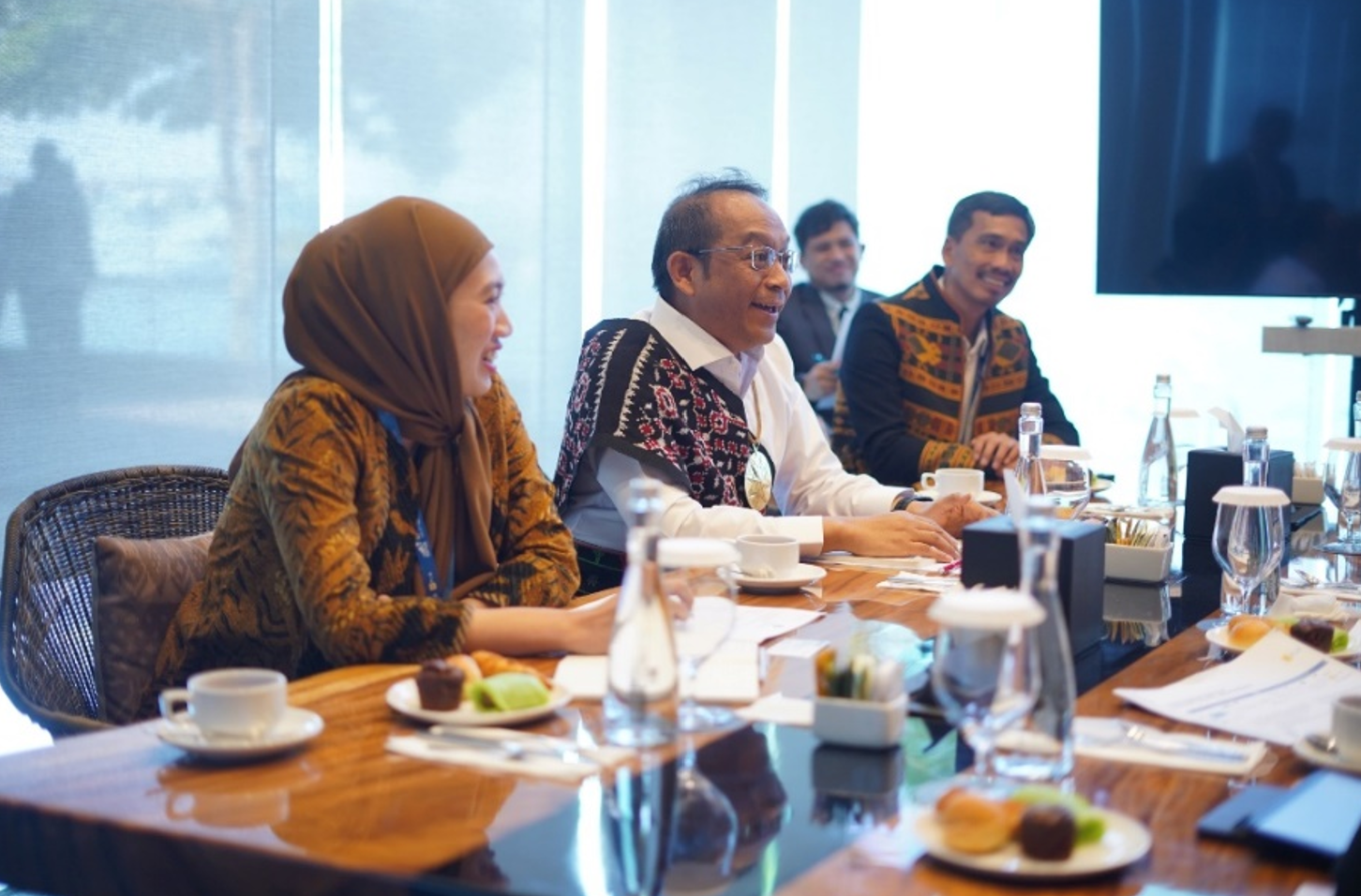
Photo 2 Dato’ Ir. Ts. Razib Dawood with Nadhilah Shani (left), Manager of Power Generation and Interconnection Department, sharing the secured funding support from various partners to APG preparation facility.
The session began with ACE conveying the continued support from the U.S. Trade and Development Agency (USTDA) to resume the suspended Feasibility Studies (FS) on two strategic Indonesia–Malaysia interconnection projects: North Kalimantan–Sabah and Sumatra–Peninsular Malaysia. These studies are important milestones under the APG framework, have been regularly reported and discussed through the HAPUA Council and the Project Steering Committee. Other high-level representatives from PLN, Mr. Edwin Nugraha Director of Transmission and System Planning, Mr. Abdan Hanif Satria Executive Vice President of Corporate Business Development and Investment, Mr. Eko Yudo Pramono Executive Vice President of Electricity System Planning and Mr. F. Eko Sulistyono General Manager of the East Nusa Tenggara Regional Main Unit joined the dialogue to discuss strategic directions for ongoing and future feasibility studies (FS) of APG-related infrastructure within Indonesia.
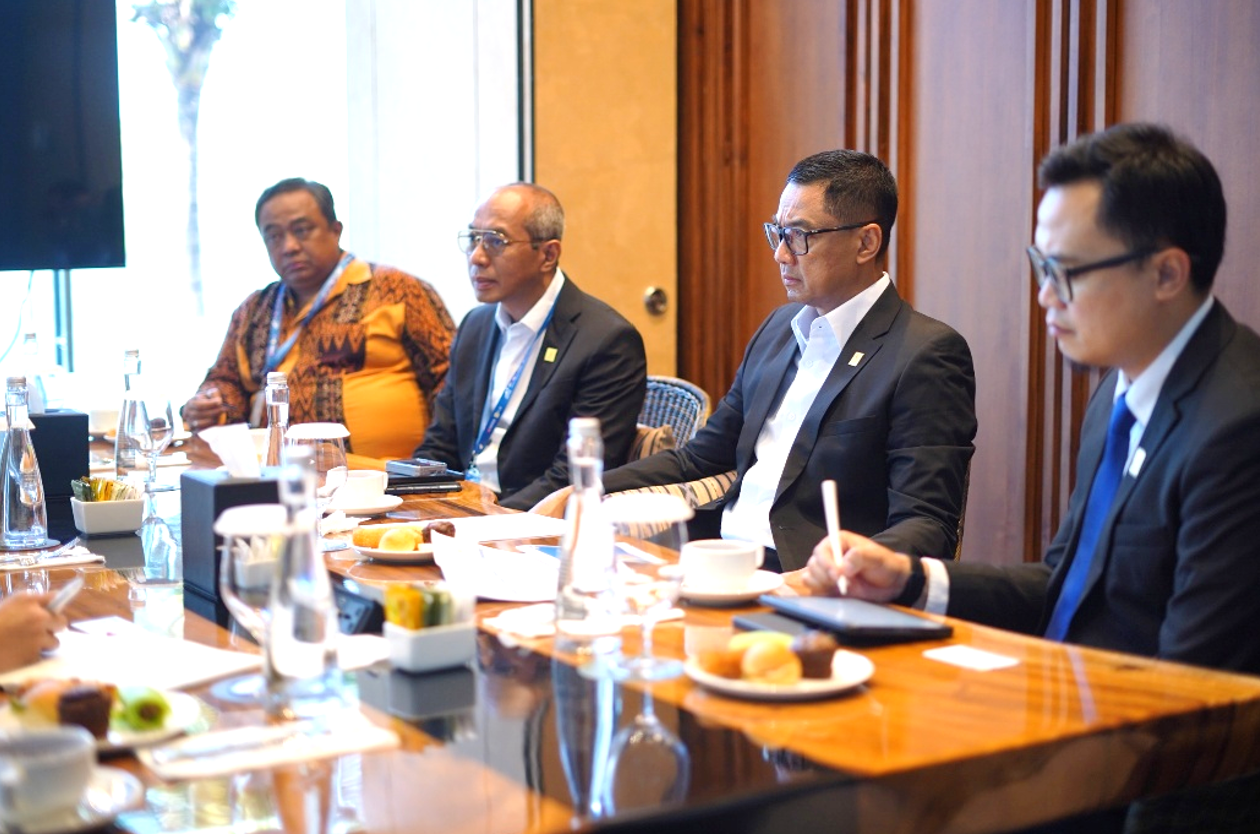
Photo 3 Discussion on the development of APG infrastructure with Eko Yudo (far left), Executive Vice President of System Planning; Edwin Nugraha (centre-left), Director of Transmission and System Planning; Darmawan Prasodjo, PhD (centre-right); and Abdan Hanif Satria (far right), Executive Vice President of Corporate Business Development and Investment.
As part of the discussion, Dato’ Razib presented the secured funding exceeding USD 10 million from several APG partners—including the World Bank (WB), Agence Française de Développement (AFD), and Australia’s Department of Foreign Affairs and Trade (DFAT). This funding aims to provide comprehensive technical assistance for the advancement of the APG through dialogue facilitation, data collection, capacity building, and the development of feasibility studies (FS). Dato’ Razib also expressed his sincere appreciation to PLN for aligning the forthcoming RUPTL 2025-2034 with the ASEAN Interconnection Masterplan Study (AIMS) and the broader APG initiative, reflecting Indonesia’s strong commitment to regional energy cooperation. In response,
Darmawan explained that by 2034, Indonesia will add 69.5 gigawatts (GW) of new power generation capacity, 76% of which will come from renewable energy sources. Although Indonesia possesses enormous renewable energy potential, its development faces challenges due to a mismatch between the locations of renewable resources and the main electricity demand centres. The APG represents one of the viable solutions, enabling Indonesia to share energy, balance its power system, and strengthen regional energy security. He emphasised that PLN remains fully open to partnerships in realising the APG initiative.
The meeting concluded with a shared aspirations to support the implementation of the ASEAN Power Grid in line with the upcoming release of the APG Enhanced MOU and the ASEAN Plan of Action for Energy Cooperation (APAEC) 2026-2030. ACE stands ready and committed in bringing the vision of APG into fruition through close coordination and facilitation of needs and priorities of each ASEAN Member States. By matching the needs and priorities of ASEAN Member States with the support from development partners, it is with great hope that accelerated progress of the APG infrastructure development could be actualised.


