


Photo 1 Participants of the ESCO Assessment and OBF Study Consultation Workshop in Jakarta.
Jakarta, 25 September 2025 – The ASEAN Centre for Energy (ACE), Global Green Growth Institute (GGGI), and HEAT International, through the Asia Low-Carbon Buildings Transition (ALCBT) Project, hosted the National Consultation Workshop on ESCO Market Assessment and On-Bill Financing in Indonesia. The workshop attended by various stakeholders in Indonesia, ranging from Government officials of various Ministries, Energy Service Companies (ESCOs), technology providers, financial institutions, and various key partners discussing the initial findings on Indonesia’s ESCO market assessment and on-Bill finance readiness, to understand what the barriers and opportunities from the currently existing policies are. There was a total of 58 participants, which comprised of 64% men and 36% women.
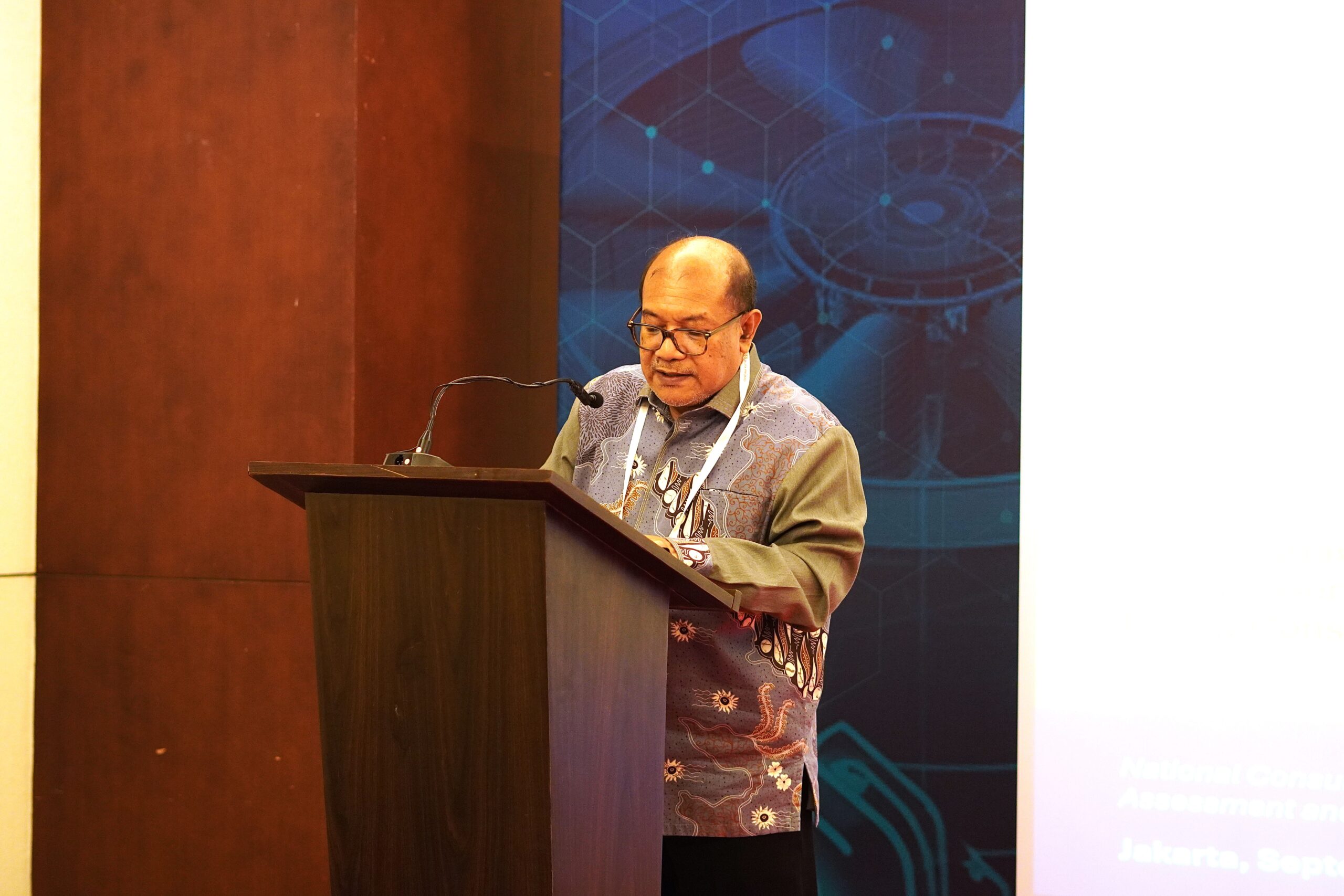
Photo 2 Opening Remarks from Dr. Hendra Iswahyudi, Director of Energy Conservation, Ministry of Energy and Mineral Resources Indonesia.
Dr. Hendra Iswahyudi, Director of Energy Conservation, Ministry of Energy and Mineral Resources Indonesia, opened the session by highlighting Indonesia’s strategy to cut energy sector emissions by enhancing regulations and promoting Energy Service Companies (ESCOs) for delivering audits, financing, and technology solutions for energy efficiency. By establishing clear business models, supportive financing schemes, and collaborative platforms, Indonesia aims to strengthen the ESCO ecosystem and accelerate its transition toward net zero emissions by 2060.


Photo 3 Opening Remarks from Dian Irawati, Secretary of Directorate of Human Settlements (Left), and Naing Naing Linn, Manager of Energy Efficiency & Conservation Department, ACE (Right)
Dian Irawati, Secretary of Directorate of Human Settlements, reaffirmed Indonesia’s commitment to reducing greenhouse gas emissions under the Paris Agreement, through promoting green buildings. She further emphasised that challenges persists, particularly the high upfront investment costs and limited financing access, underscoring alternative financing models such as those driven by ESCOs crucial accelerate green building implementation.
Naing Naing Linn, Head of Energy Efficiency and Conservation (EE&C) Department, ACE, emphasised that achieving ASEAN’s aspirational energy intensity reduction target requires scaling up investments in building efficiency through the ESCO business model to overcome financing barriers and accelerate low-carbon transitions.
Lastly, Ambolas Manalu, Senior Associate from Global Green Growth Institute, highlighted that ALCBT is supported Indonesia’s transition towards low-carbon buildings by providing technical assistance, capacity building, and tools to mobilize financing and accelerate green investment.

Photo 5 Scene Setting by Adam Adiwinata, Indonesia National Project Coordinator, ACE
The first session, presented by Adam Adiwinata, provided a comprehensive overview of ACE’s activities under the ALCBT project, particularly the ESCO Market Assessment and On-Bill Financing Readiness Study in ASEAN, including Indonesia. He explained that the study aims to identify policy, market, and financing gaps to strengthen the enabling environment for energy efficiency investment, and is being further refined through surveys and interviews with key stakeholders in Indonesia, including ESCOs, financial institutions, and building owners.
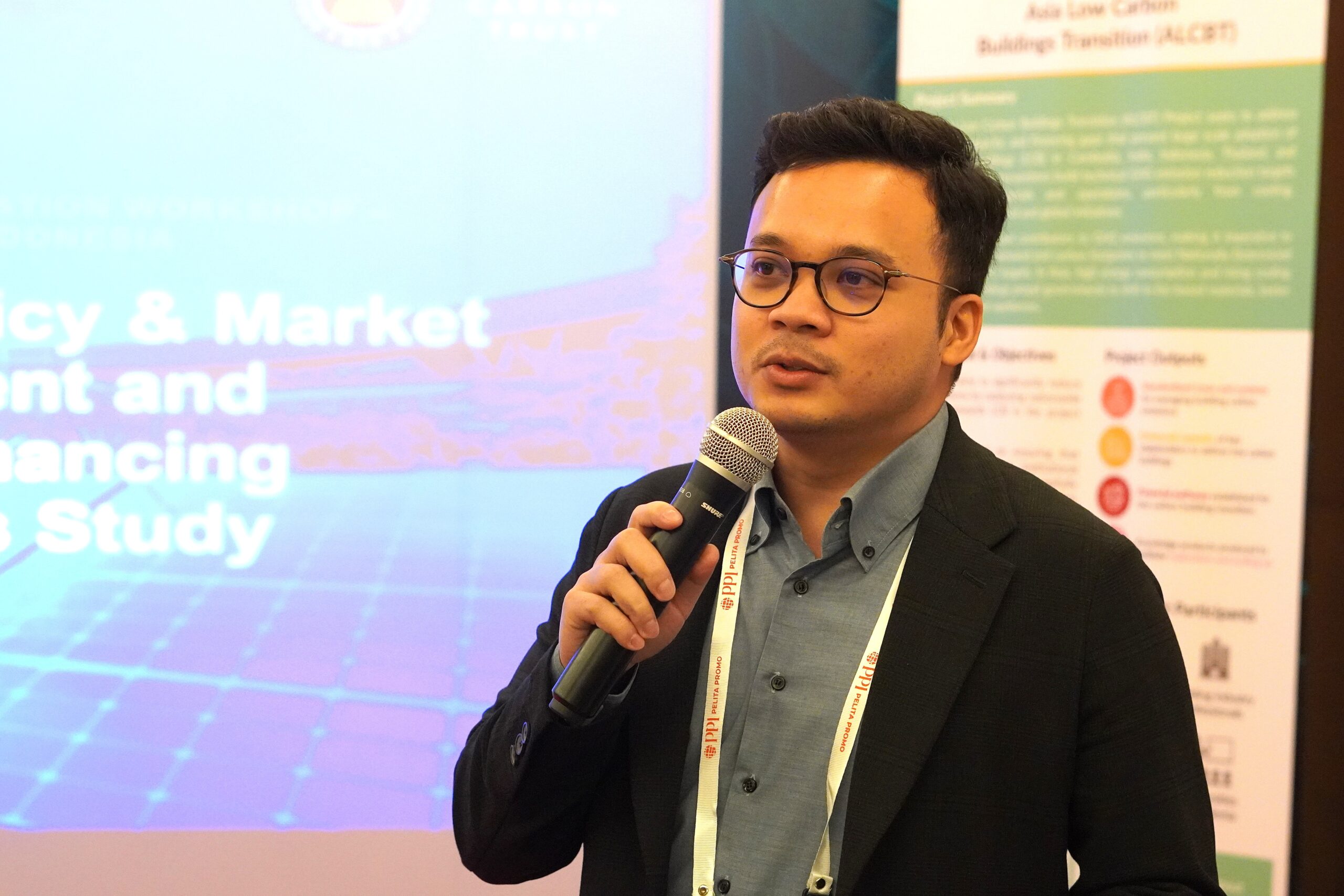
Photo 6 Hazim Rosli, Manager of Asia Energy Transition Lead, The Carbon Trust
Hazim Rosli from the Carbon Trust presented key insights from the ESCO market assessment in Indonesia, outlining the potential market size and proposing recommendations to further grow the ESCO market, followed by breakout discussions on policy recommendations and market acceleration strategies.

Photo 7 Breakout Session

Photo 8 Amos Lim Associate of Manufacturing & Industry, The Carbon Trust
After the lunch break, the workshop continued with a session on on-bill financing delivered by Amos Lim from the Carbon Trust. He explained how the scheme operates, the key actors involved, and shared case studies from the United States. The discussion explored how the concept could be adapted to Indonesia’s context, recognizing the need for a more streamlined policy framework to enable pilot implementation.
Rizky Aditya Putra, Programme Manager of Asia Low Carbon Buildings Transition, closed the workshop thanking the active participation from the audience providing valuable views on the findings. He also highlights the importance of collaborative effort in nurturing ESCO’s and other energy efficiency business environment to achieve the energy consumption and emission reduction in the building sector.


