
ASEAN Climate Change and Energy Project Phase II

ASEAN Climate Change and Energy Project (ACCEPT) is a 34-month project funded by the Norwegian Government, under the Norwegian-ASEAN Regional Integration Programme (NARIP), with a total fund of USD 1,657,060; a joint collaboration project between the ASEAN Centre for Energy (ACE) and the Norwegian Institute of International Affairs (NUPI).

The project aims to improve the coherence between the ASEAN energy and climate policies, contribute to more climate-friendly development of the energy sector. Studies will be carried out to analyse the existing energy and climate policies, provide recommendations and assist the ASEAN member states in shaping policies, which reflect the synergies between (i) energy policy and energy-related climate policy and (ii) policies at the national and regional levels. The project will entail intensive involvement from key ASEAN stakeholders, and will in the long-term help enhance modelling, analytical and regional policy planning capacities within ASEAN.

Therefore, the project will support the preparation of two crucial documents to ASEAN energy cooperation: (i) The ASEAN Plan of Action for Energy Cooperation (APAEC) 2016-2025 Phase 2: 2021-2025 and (ii) the 6th ASEAN Energy Outlook (AEO). The APAEC is the sectoral work plan for achieving energy cooperation goals under the ASEAN Economic Community Blueprint 2016-2025, while the AEO complements the APAEC by providing an analysis of energy trends and challenges faced by the region.

Furthermore, ACCEPT will publish thematic papers to provide policy analysis and guidance for authorities at the national and regional levels. In addition to this, the project will also promote the integration of energy and climate through the public engagement to increase awareness on the importance of energy-climate nexus. Whereby the Norwegian experience would be a benchmark for sustainable development in energy and energy-related climate change policy.

About

ASEAN Climate Change and Energy Project: Phase 2 (ACCEPT II)

RAS-21/0006

ASEAN Climate Change and Energy Project (ACCEPT) Phase 2 is a continuation of ACCEPT Phase 1 that was successfully accomplished on 31 March 2022. The commencement of the 48-month project officially began on 1 November 2022. This collaborative project between the ASEAN Centre for Energy (ACE) and the Norwegian Institute of International Affairs (NUPI) is funded by the Norwegian Government, under the Norwegian-ASEAN Regional Integration Programme (NARIP), with a total fund of USD 2,386,755.One of the key objectives in ACCEPT II is to support the implementation of the ASEAN Plan of Action for Energy Cooperation (APAEC) Program Area No. 6, Regional Energy Policy and Planning, Outcome-based Strategy (OBS) 6, “Promote Information Sharing on the Energy-Climate Nexus”, which was initiated by ACCEPT phase 1. ACCEPT II will administer APAEC and OBS 6 by conducting policy dialogues (Action Plan 6.1), study visits to address the energy and climate nexus (Action Plan 6.2), seminar on ASEAN Low-Carbon Transition (Action Plan 6.3), and other means that provide interactive platforms between energy and climate policymakers, as well as academic scholars and industry experts.

ACCEPT II aims to support ASEAN member states and ASEAN’s capacity to transition to Low-Carbon Energy System and contribute to carbon neutrality or a net zero future. The project will simulate a low-carbon economy model, in terms of technology selection scenario to identify and address the challenges and opportunities through capacity building and studies. With this low-carbon model, ACCEPT II will support the preparation of the 8th ASEAN Energy Outlook (AEO) by integrating the model into AEO.

The project will further assist ACE in improving the effectiveness of institutional governance when dealing with climate-related energy issues. This includes revisiting the management framework within ACE and its role in coordinating with other ASEAN centres and sectoral bodies. Under ACCEPT II, ACE will establish a unified unit on energy and climate within ACE’s structure.

The project will also promote gender equality through its activities and events. Therefore, this project will serve ASEAN in advancing knowledge, building capacity, and strengthening its regional structure, capacity and collaboration on the energy-climate nexus.


Our Approach & Activities

Our team will create a techno-economic model, which will develop pathways to a low carbon economy with the goal of a net zero future. The model will build on technological, economic and policy analyses and use regional and national dataset provided from the ASEAN Member states (AMS). The model will simulate scenarios at regional level and select one country from the AMS to simulate scenarios at national level.

The survey tool developed in ACCEPT Phase 1 will also be implemented to comprehensively measure, assess, and evaluate the policy coherence between the energy and climate policies. The survey tool, which consists of a structured set of questions and data queries related to energy and climate aspects in shaping the regional and national plans and policies, will be used to analyse whether policies at the following levels are compatible with each other:

  • energy vs. climate policy
  • national vs. regional policies, including commitment at global level

This survey’s activities will be assisted by two representatives from each ASEAN member state drawn from the policy divisions of energy and climate sectors respectively. In addition to individual countries, ACCEPT will also engage with the focal points of the APAEC programmes, through surveys and interviews.

Moreover, internet-based disseminations through website and social media as well as public events, will be carried out to raise public awareness on the energy-climate nexus with the goal of building a sustainable low carbon future for Southeast Asia. These events will be designed to promote gender equality in the energy sector by ensuring equitable representation of women speakers and participants.


Responsible unit for the grant scheme: Royal Norwegian Embassy in Jakarta

Applicant: ASEAN Centre for Energy (ACE)

Partner: Norwegian Institute of International Affairs (NUPI)


Logo Description

ACCEPT II


  1. Power button is inspired by SDG 7: Affordable and Clean Energy.
  2. ASEAN globe inside power button is inspired by SDG 13: Climate Actions.
  3. ACCEPT comprises of the blue color that resembles the strength in unity.
  4. The line around the power button represent the cooperation of 10 ASEAN Member States (AMS) and Norway in promoting climate change awareness in every aspect of energy policy making.
  5. The green double arc arrows represent balance by highlighting the symbiotic processes of net zero.


Project Documents

To have transparency of the project, the following project documents are available for access upon request to our email at [email protected].


Project Proposal, dated 22 June 2021;

Project Agreement between ASEAN Centre for Energy (ACE) and Norwegian Ministry of Foreign Affairs (MFA), dated 31 October 2022;


Institution

Support the Development of Regional Blueprint on Energy Cooperation

The ASEAN Plan of Action for Energy Cooperation (APAEC) is a series of guiding policy documents to support the implementation of multilateral energy cooperation to advance regional integration and connectivity goals in ASEAN. It serves as a blueprint for better cooperation towards enhancing energy security, accessibility, affordability and sustainability under the framework of the ASEAN Economic Community (AEC) for the designated period.

The current version, the APAEC 2016-2025, has been launched at the 33rd ASEAN Ministers on Energy Meeting (33rd AMEM), September 2015 in Kuala Lumpur, Malaysia. It was developed by building on the progressive achievements of the previous plans.

With the theme, “Enhancing Energy Connectivity and Market Integration in ASEAN to Achieve Energy Security, Accessibility, Affordability and Sustainability for All”, the plan is implementing the outcome-based strategies and action plans through the seven Programme Areas.

Extended over a longer period of 10 years, the plan is implemented in two phases, namely Phase I: 2016-2020, which will focus on the short to medium-term strategies required to achieve energy security cooperation and move towards greater connectivity and integration.

Phase II: 2021-2025 is currently under the development process by the APAEC Drafting Committee (ADC), a dedicated group that consists of all representatives of ASEAN Member States (AMS) and its all Specialised Energy Bodies (SEBs) and Sub-sector Networks (SSNs). APAEC 2016-2025 Phase II: 2021-2025 is expected to be endorsed at the 38th AMEM, September 2020 in Vietnam.

ACCEPT, as part of the ACE, is heavily involved in the process of the development of the APAEC 2016-2025 Phase II: 2021-2025, with its participation in various ADC Meetings, as well as official SSNs and SEBs meetings.

ACCEPT conducts research and interview with various key stake holders in providing the input to improve the coherence of ASEAN energy policy and contribute to making ASEAN’s energy policy become more climate friendly (Project IMPACT). It aims to improve the APAEC (Project Output 1.1), targeting APAEC to more clearly articulates the implications of energy-related climate policy and sustainable development goals.

This activity is expected to raise the awareness about the implications of energy-related climate policy and sustainable development goals among ASEAN energy experts and policy makers, reducing the “silo” phenomenon between climate and energy policy (Project Outcome 1).

Team

ACCEPT II Core Team


ACCEPT II Intern


NUPI

APAEC

Support the Implementation of APAEC Phase 2: 2021-2025 on Regional Energy and Policy Planning

The ASEAN Plan of Action for Energy Cooperation (APAEC) Phase II: 2021-2025 was endorsed by the 38th ASEAN Ministers of Energy Meeting (AMEM), that was held virtually on November 19, 2020 and hosted by Vietnam. The Action plan builds on the success of APAEC Phase I: 2016-2020 and sets out ambitious targets and initiatives to enhance energy security and sustainability.

The APAEC Phase II: 2021-2025 retains the same theme of “Enhancing Energy Connectivity and Market Integration in ASEAN to Achieve Energy Security, Accessibility, Affordability and Sustainability for All”. This regional blueprint on energy cooperation also has a sub-theme: “Accelerating Energy Transition and Strengthening Energy Resilience through Greater Innovation and Cooperation.” that is translated into its seven Programme Areas.

ACCEPT II, as part of ACE, is supporting the implementation of APAEC Phase 2: 2021-2025, especially on Program Area No. 6, Regional Energy Policy and Planning, Outcome-based Strategy (OBS) 6, “Promote Information Sharing on the Energy-Climate Nexus”, which was initiated by ACCEPT phase 1. Under this strategy, ASEAN aims to promote information sharing on the energy-climate nexus, to expand partnerships with Dialogue Partners (DPs) and International Organisations (IOs), and advance energy policy and planning to accelerate the region’s energy transition and resilience.

This project is therefore to assist ASEAN readiness for the energy transition to low carbon energy systems in the coming years as indicated in APAEC Phase 2: 2021-2025.  ACCEPT II will administer APAEC and OBS 6 by conducting policy dialogues (Action Plan 6.1), study visits to address the energy and climate nexus (Action Plan 6.2), seminar on ASEAN Low-Carbon Transition (Action Plan 6.3), and other means that provide interactive platforms between energy and climate policymakers, as well as academic scholars and industry experts.

Outlook

Support the Development of ASEAN Energy Outlook

The ASEAN Energy Outlook (AEO) reflects the relevance of ACE’s effort to fulfil its function as a regional centre of excellence that builds a coherent, coordinated, focused and robust energy policy agenda and strategy for ASEAN. While data collection and its availability in ASEAN is another main priority, which has progressed considerably over recent years. AEO complements and supplements the Outcome-based Strategies of the ASEAN Plan of Action for Energy Cooperation (APAEC) 2016-2025.

In this context, Outlook contributes towards broad appreciation of the challenges of energy security, accessibility and affordability in driving economic prosperity, social development and environment sustainability within the framework of ASEAN Economic Community (AEC), which was launched in December 2015, towards a highly integrated and cohesive economy that is designed for a free flow of goods, people and investment.

Outlook with its insights on both the historical trends and future projections serves as a useful and valuable reference to both AMS and our Dialogue Partners, as well as to all relevant stake holders.

The latest outlook, the 5th ASEAN Energy Outlook (AEO5), was launched during the press conference for the 35th ASEAN Ministers on Energy Meeting (AMEM) and Associated Meetings on 28 September 2017. The AEO5 is a joint output of ACE with the active involvement of all 10 AMS under the directive of the Regional Energy Policy and Planning Sub-sector Network, and is supported by the Deutsche Gesellschaft für Internationale Zusammenarbeit (GIZ) GmbH on behalf of the German Federal Ministry for Economic Cooperation and Development (BMZ) through the ASEAN-German Energy Programme (AGEP).

Currently, the ASEAN Centre for Energy (ACE) is developing the 6th ASEAN Energy Outlook (AEO6)., which is targeted to be launched at the 38th ASEAN Ministers on Energy Meeting (38th AMEM), September 2020 in Vietnam. The development AEO6 is also the collaboration between ACE and the GIZ through AGEP Phase 2. The ASEAN Climate Change and Energy Project (ACCEPT) is provided the collaboration support.

ACCEPT is strongly involved as member of the modelling team who are design the projected modelling scenarios in various scenarios; Business-as Usual, AMS Targets Scenario, and APAEC Targets Scenario as well as Sustainable Development Goal (SDG) Scenario. ACCEPT’s involvement aims to improve the ASEAN Energy Outlook (Project Output 1.1) so that AEO6 will more clearly articulates the implications of energy-related climate policy and sustainable development goals, compare to the previous version which centre on energy issue only.

This activity is expected to raise the awareness about the implications of energy-related climate policy and sustainable development goals among ASEAN energy experts and policy makers, reducing the “silo” phenomenon between climate and energy policy (Project Outcome 1).

Capacity Building

Support in Building Capacity on Energy and Climate Change Nexus

Evidence is crucial to successful policy making. However, many individual or even institution that have lack the capacity to effectively access, appraise and apply research when making decisions.

Energy-climate sector is included, where the “silo” phenomenon between climate and energy policy exist due to lack the necessary capacity to undertake climate action on energy sector. Hence, it is important to build capacity on the energy-climate policy nexus among energy experts from ASEAN member states (Project Output 1.4), so that the implication of energy-related climate policy and sustainable development goals are increasingly address in the work by energy experts from ASEAN member states.

Through capacity building as well, ACCEPT aims to improve the national energy policies, via Regional Energy Policy and Sub-sector Network (REPP-SSN) Focal Points from the energy ministry or equivalent government institution in each ASEAN Member States (Project Output 1.3), so that national energy policies to a greater degree address coordination with national and regional energy and climate policies.

ACCEPT establishes the network of energy and climate change people who are the official representatives from their particular sector in each ASEAN Member States to strengthen ACE’s connections with energy experts across ASEAN (Project Output 2.2).

For internal organisation itself, ACCEPT also conducts a series of lecture and knowledge sharing as part of the capacity building on energy-climate nexus. It also aims to improve the quality of ACE output (Project Output 2.3).

As capacity building efforts need greater coordination, coherence, monitoring, review and reporting; ACCEPT will build the collaboration with external parties.

This activity is expected raise the awareness about the implications of energy-related climate policy and sustainable development goals among ASEAN energy experts and policy makers, reducing the “silo” phenomenon between climate and energy policy (Project Outcome 1) and to strengthen ACE capacity in energy-related climate policy (Project Outcome 2).


Public Awareness

Support in Building ACE’s visibility on energy-climate arena and Raising the Awareness

ACCEPT is actively involved and participated in various public events as invited by other institutions to join the discussion in building about public awareness on energy-climate nexus. ACCEPT also aims to organise its own public events (Project Output 3.2) to present, communicate, disseminate and discuss various findings of its researches and studies. ACE itself has not held any dedicated public event about energy-climate policy nexus before.

ACCEPT also actively disseminate its perspectives on energy-climate nexus through Op-eds in traditional media (Project Output 3.3) and build its profile on the energy-climate policy nexus in social media by actively communicate in its dedicated social media account, such as Twitter @ASEAN_EnergyCC (Project Output 3.4).

Increase ACE’s visibility on energy-related climate policy at the national, regional and international levels (Project Output 2.1), where ACCEPT is able to present its generated data and analysis from the ASEAN Energy Database System (AEDS), distribution of project’s output such as publications/reports, and perspectives such as Op-Eds and Social Media Post.

This website is also developed as a platform is established to share project’s activities and updates on ASEAN’s energy policy towards climate change mitigation.

This activity is expected to be able to inform the public in the ASEAN countries about energy and climate change (Project Outcome 3), as it may see the change in ACE’s public outreach to include energy-climate policy nexus and improved dissemination of information about energy-climate policy nexus, while at the same time strengthen ACE capacity in energy-related climate policy (Project Outcome 2).

Database

Augment ASEAN Energy Database on Climate Issues

The nature of energy and climate change make the exchange and sharing of information beneficial in order to promote best practices and facilitate energy-climate-related issues. This requires the establishment of information databases for data collection, dissemination, and accessibility by the various stakeholders in the region.

Hence, ACCEPT develops its database as part of the ASEAN Energy Database System (AEDS) at https://aeds.aseanenergy.org/, contains official ASEAN statistic data and related energy news and policies to help the readers in understanding the energy landscape of ASEAN and each of its Member States. AEDS is developed and maintained by the ASEAN Centre for Energy (ACE). Since 2018, improvement of AEDS for data collection and processing, has been supported by the Deutsche Gesellschaft für Internationale Zusammenarbeit (GIZ) GmbH on behalf of the German Federal Ministry for Economic Cooperation and Development (BMZ) through the ASEAN-German Energy Programme (AGEP).

In addition to the data and information on energy that was collected and generated by AEDS, starting 2019, ACCEPT provides specific data and information on energy-climate change nexus as the reference so that the policy makers (or any stake holders) can build or design their policy and plan in comprehensive manner understanding the linkage between energy and climate change.

ACCEPT also complements AEDS by providing the collection of energy-climate change news in ASEAN Energy News Clippings that is circulated regularly every week to thousands of stakeholders on energy and climate change sectors in ASEAN and beyond.

From this collected news, ACCEPT build the Insights which provide the readers key stories about energy-climate change in the region during the certain period.

This activity is expected to be able to inform the public in the ASEAN countries about energy and climate change (Project Outcome 3), as it may see the change in ACE’s public outreach to include energy-climate policy nexus and improved dissemination of information about energy-climate policy nexus, while at the same time strengthen ACE capacity in energy-related climate policy (Project Outcome 2), and raise the awareness about the implications of energy-related climate policy and sustainable development goals among ASEAN energy experts and policy makers, reducing the “silo” phenomenon between climate and energy policy (Project Outcome 1).

ASEAN Women in Energy-Climate

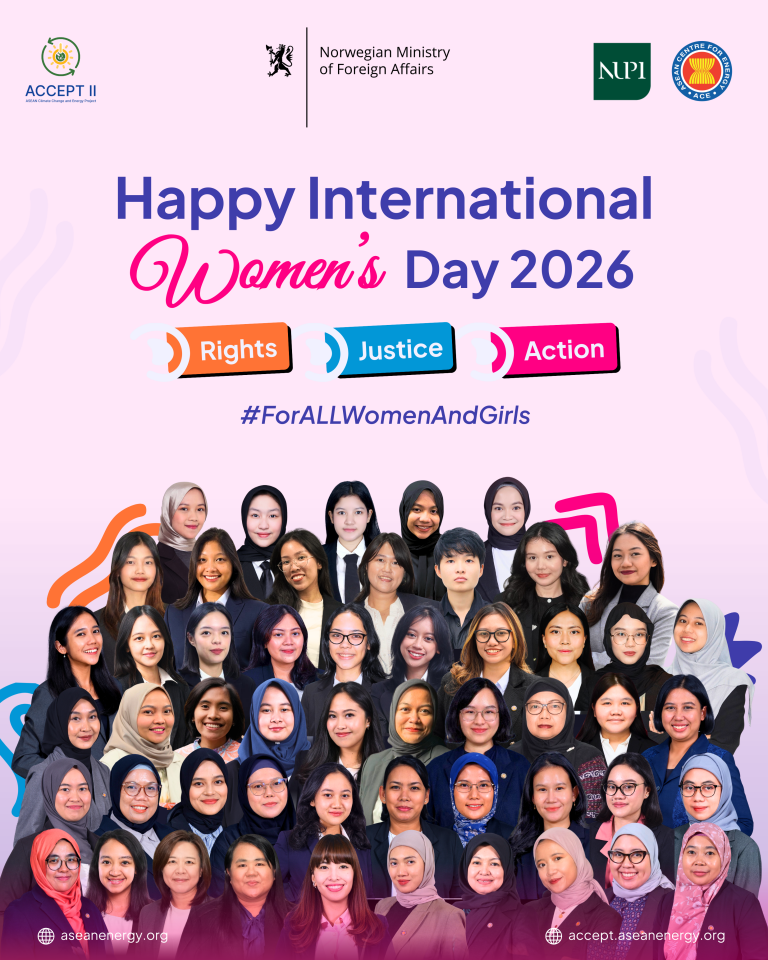
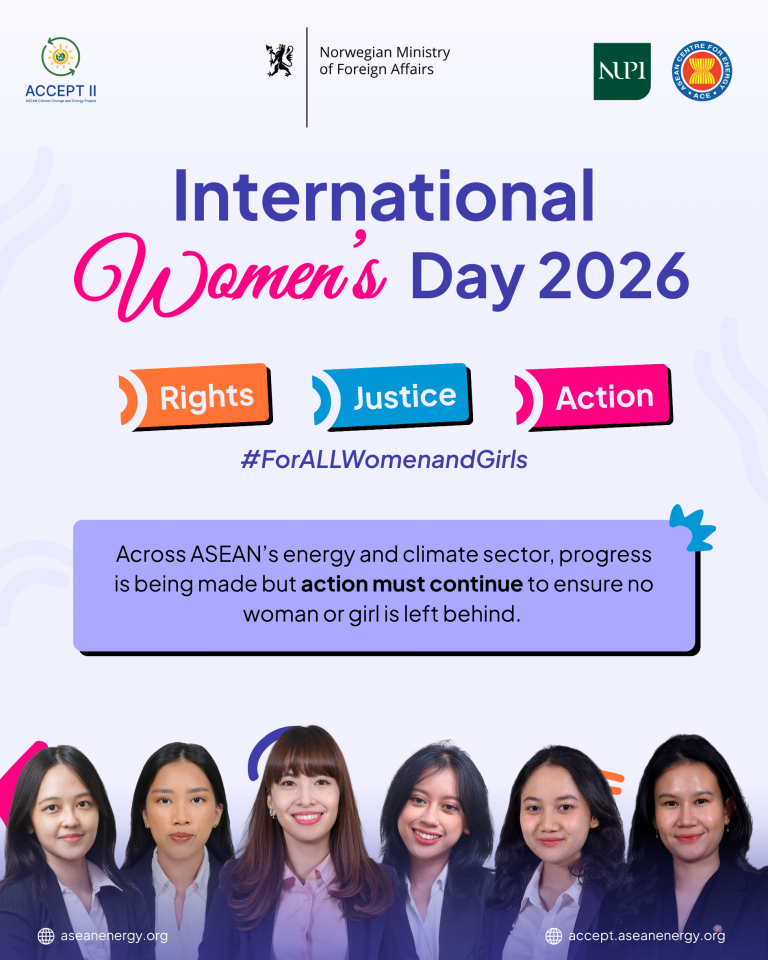
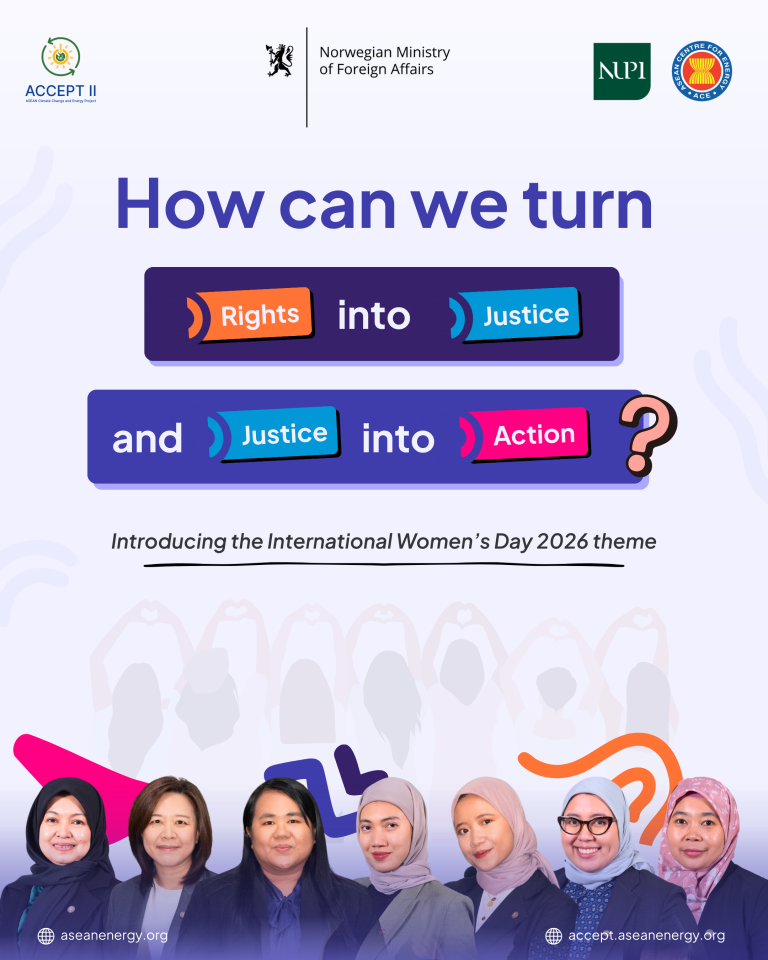
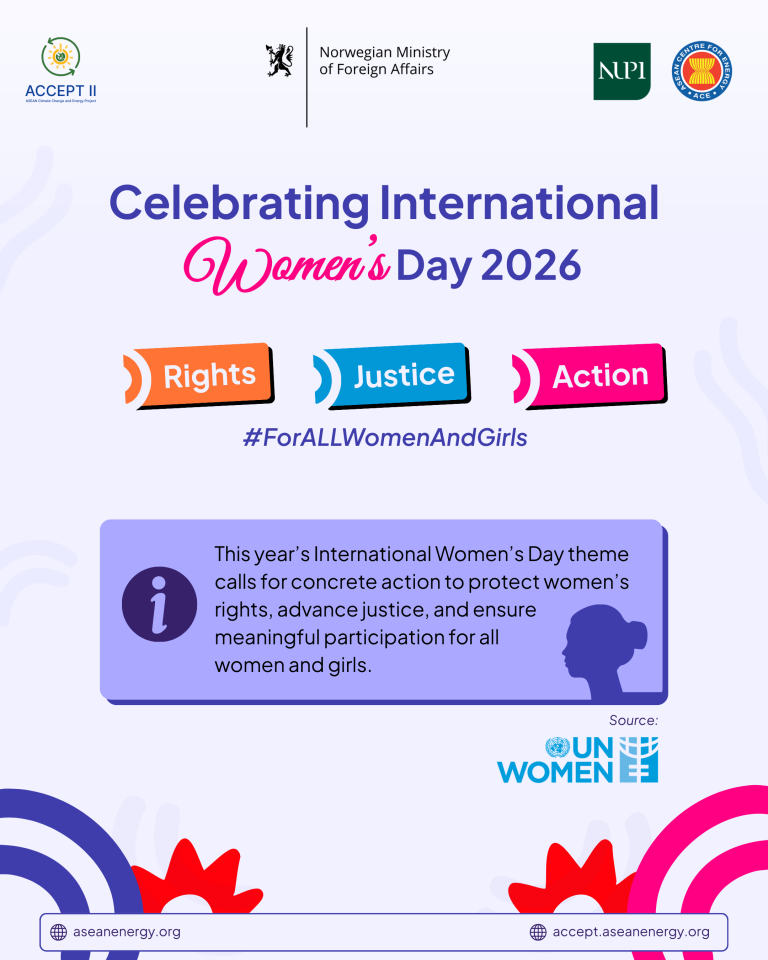
ASEAN Women in Energy-Climate – IWD 2026
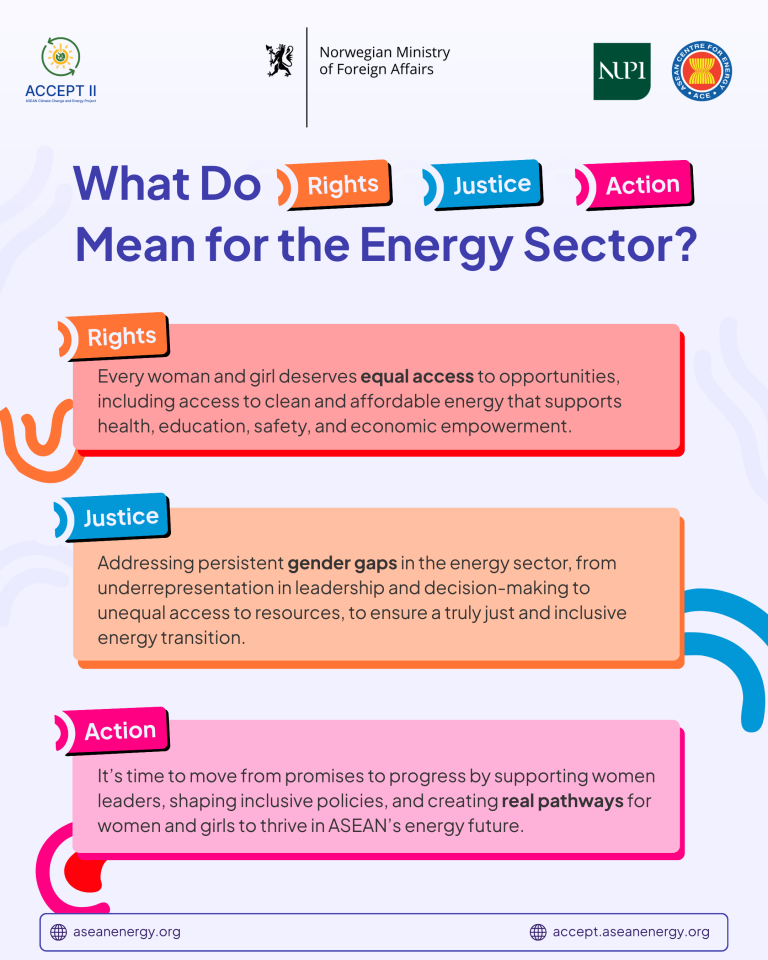
Happy IWD 2026 IWD 2026 Campaign Kick-off
Women"s Inclusion in ASEAN"s Energy Transition

Rights. Justice. Action.
For All Women and Girls.

STRIVEs to promote gender inclusion in ASEAN"s energy transition are gaining recognition as the region builds momentum toward the APAEC 2025–2030 targets. This campaign raises awareness, strengthens leadership, and advocates for inclusive strategies across the region"s energy and climate space.
23%Building sector share of ASEAN energy consumption
10+ASEAN Member States engaged in gender-energy programmes
2026Campaign year · IWD theme: Rights, Justice, Action
Raise Awareness
Highlight the importance of women"s leadership and representation in the ASEAN energy sector.
🎯
Strengthen Leadership
Equip and empower women with capabilities and networks to lead in energy policy and practice.
🌿
Promote Inclusion
Advocate for gender-responsive policies in ASEAN"s energy and climate governance frameworks.
Women Navigating Energy Leadership · Exclusive Interview

Exclusive Interview

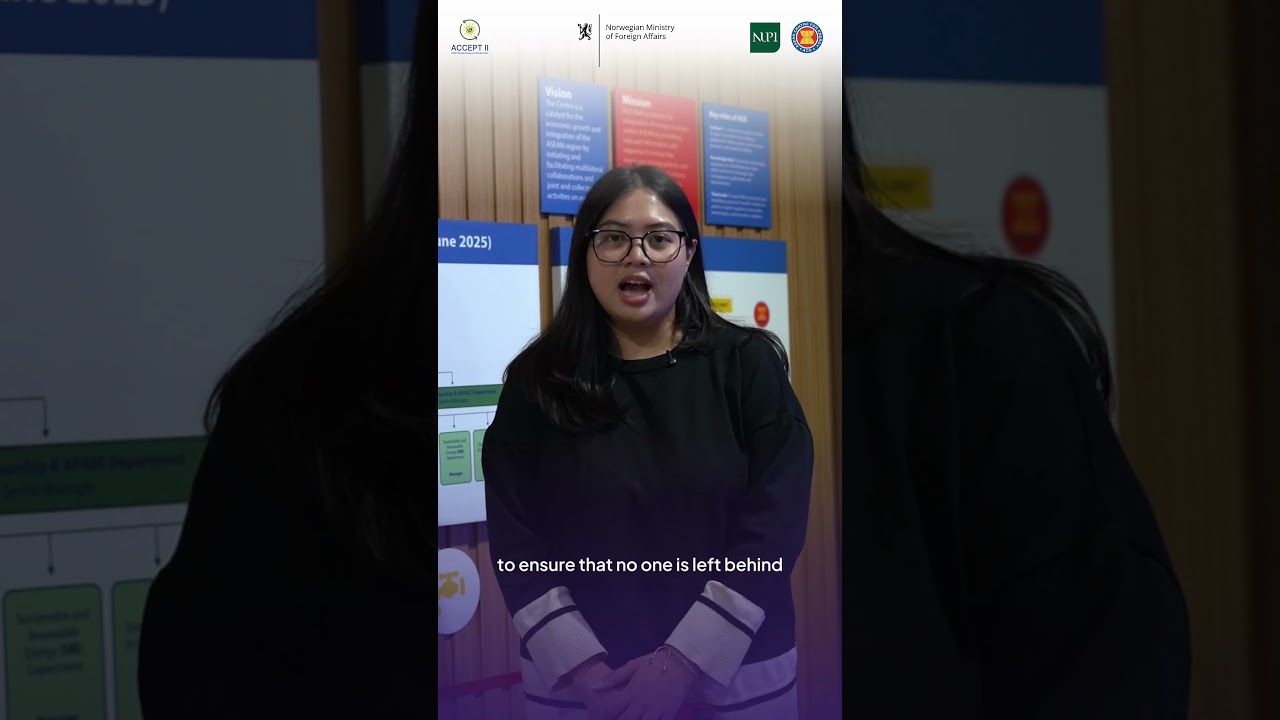
Deputy Secretary General of the Ministry of Energy Transition and Water Transformation of Malaysia shares her journey, challenges, and vision for gender-inclusive energy leadership in ASEAN.

PM
Puan Mareena binti Mahpudz
Deputy Secretary General · Ministry of Energy Transition and Water Transformation of Malaysia

"While the journey can be demanding, women are equally capable of leading and contributing meaningfully to the energy sector."

From a multidisciplinary background to years of experience in the energy sector, Puan Mareena highlights the challenges faced by women leaders in energy, strategies for building resilience, and the importance of mentorship in cultivating the next generation of women in ASEAN energy governance.

▶ Watch Interview on YouTube
Women Navigating Energy Leadership · Exclusive Interview

H.E. Sharon S. Garin,
Secretary of Energy of the Philippines

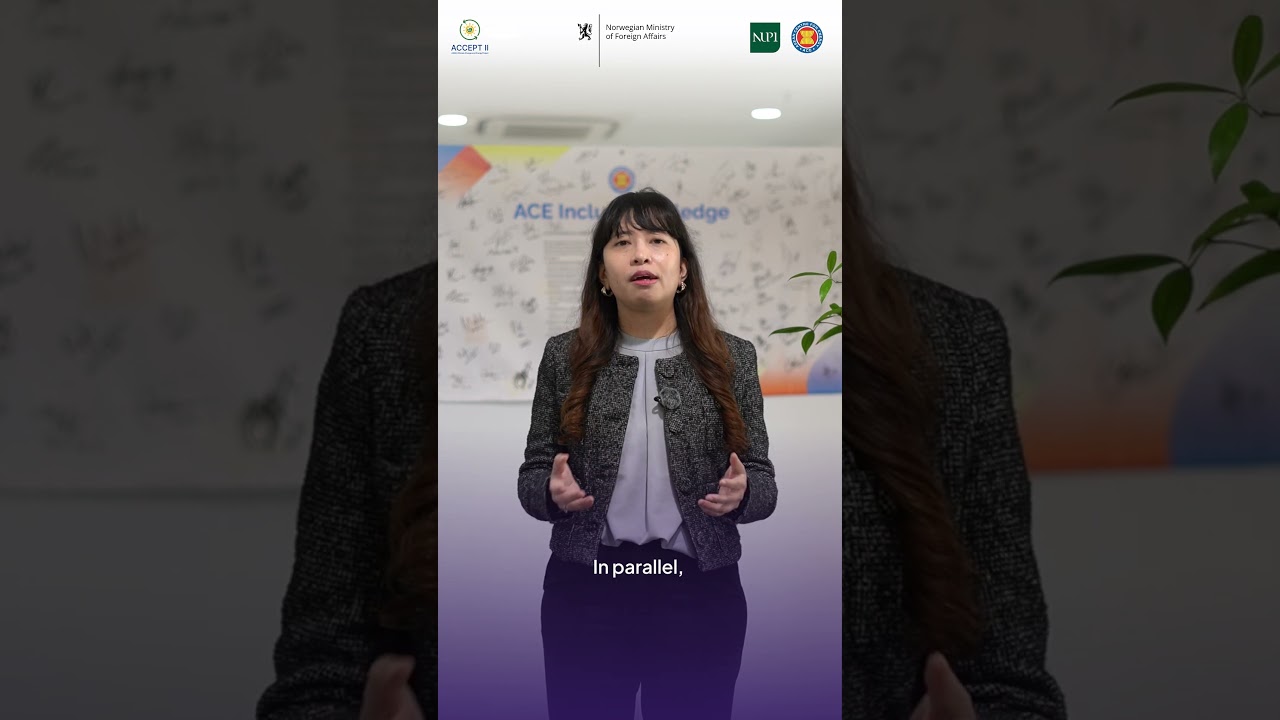
Secretary Garin discusses the intersection of political leadership, gender equity, and the Philippines" bold energy transition agenda in ASEAN.

SG
H.E. Sharon S. Garin
Secretary of Energy · Republic of the Philippines

"The energy sector needs the full spectrum of talent — and that absolutely includes the women of ASEAN."

Secretary Garin shares how she navigated a male-dominated environment to lead one of ASEAN"s most dynamic energy ministries. Her multidisciplinary background and years of experience now anchor her work on gender-inclusive energy transition, renewable energy policy, and regional cooperation under APAEC.

▶ Watch Interview on YouTube
ASEAN Energy Gender Week 2026

ASEAN Energy
Gender Week 2026

A landmark event championing women"s leadership in ASEAN"s energy transition — convening policymakers, practitioners, and advocates from across the region.

Flagship Event
30 March – 2 April 2026
Manila, Philippines

Building on the success of the 1st ASEAN Energy Gender Week in 2025 in Malaysia, the 2026 edition convened ASEAN Member States, CDEPs, UNFCCC delegates, and ACE"s Energy Programme to accelerate gender-responsive energy policy.

📍Manila, Philippines
📅30 March – 2 April 2026 · 4 Days
👥ASEAN Member States, CDEPs, UNFCCC, ACE Energy Programme
Outcome
ASEAN Member States adopted an advanced policy framework on gender mainstreaming in clean energy transition during the Ministerial Meeting, 1–3 April 2026.
Gender Equality
Commitment to mainstream gender equality and ensure equal access to clean energy solutions across all ASEAN Member States by 2030.
Photo Gallery
Capturing moments from AEGW 2026 — leadership panels, workshops, community dialogues, and cross-sectoral engagement.
Publication

Gender Equality in
ASEAN Energy Basket
Gender Equality in ASEAN Energy Basket 2026
Gender Equality in ASEAN Energy Basket (Volume II)

The Gender Equality in ASEAN Energy Basket (Volume II) strengthens the understanding of gender dynamics across energy sectors — power, efficiency, renewables, and transportation — offering data-driven roadmaps for policymakers. ACE"s commitment to gender mainstreaming aligns with the APAEC framework across all 10 ASEAN Member States.

Gender & Energy ASEAN Policy Data & Analysis APAEC
Download Publication →
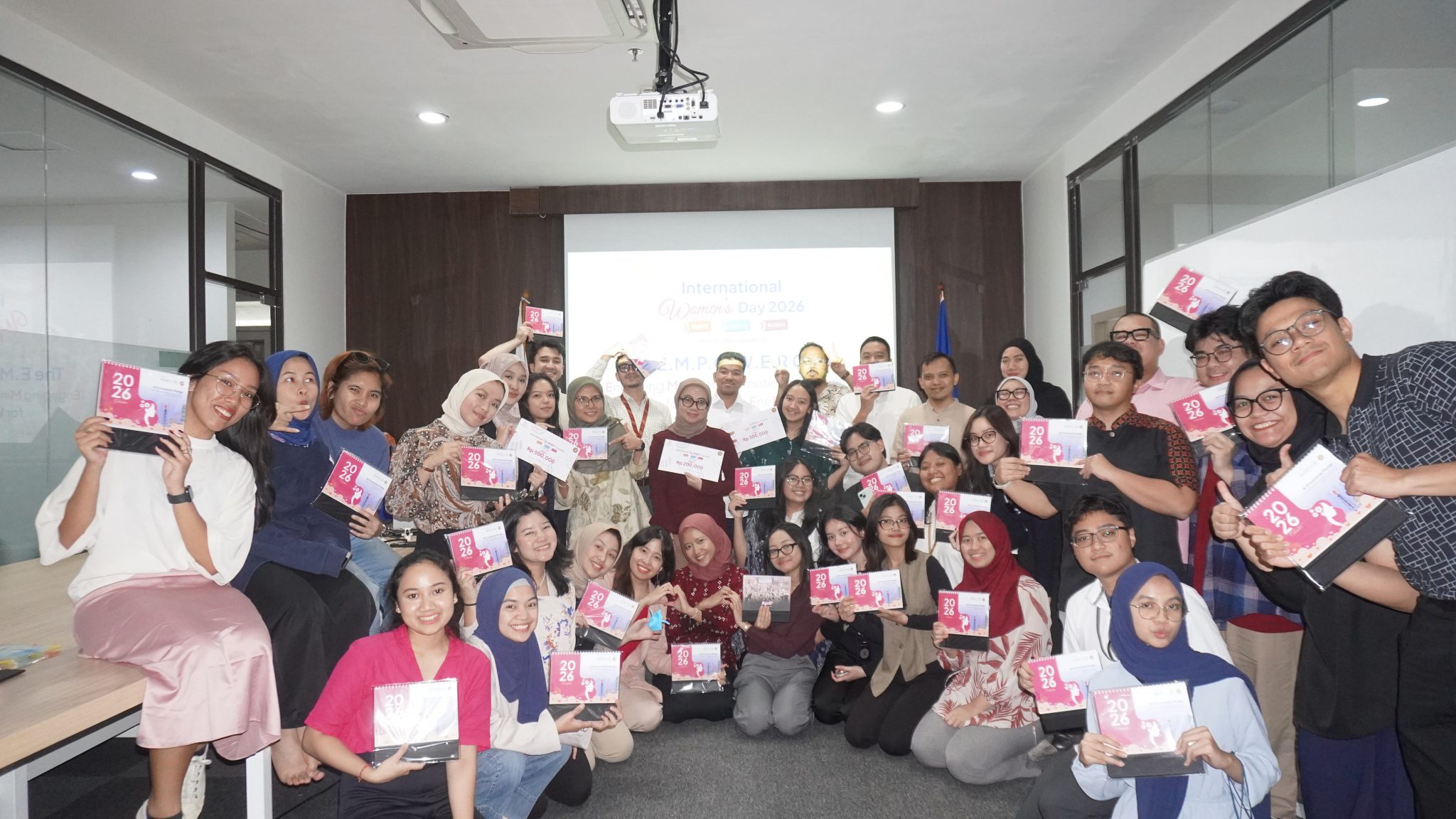
E.M.P.O.W.E.R Game · IWD 2026 Celebration at ACE

E.M.P.O.W.E.R Game:
IWD 2026 Celebration at ACE

On 8 March 2026, ACE organised the E.M.P.O.W.E.R Game as part of the International Women"s Day 2026 celebration. The game encourages teamwork, knowledge-sharing, and collaboration — allowing participants to think critically about gender equality in the energy sector within the ASEAN region.
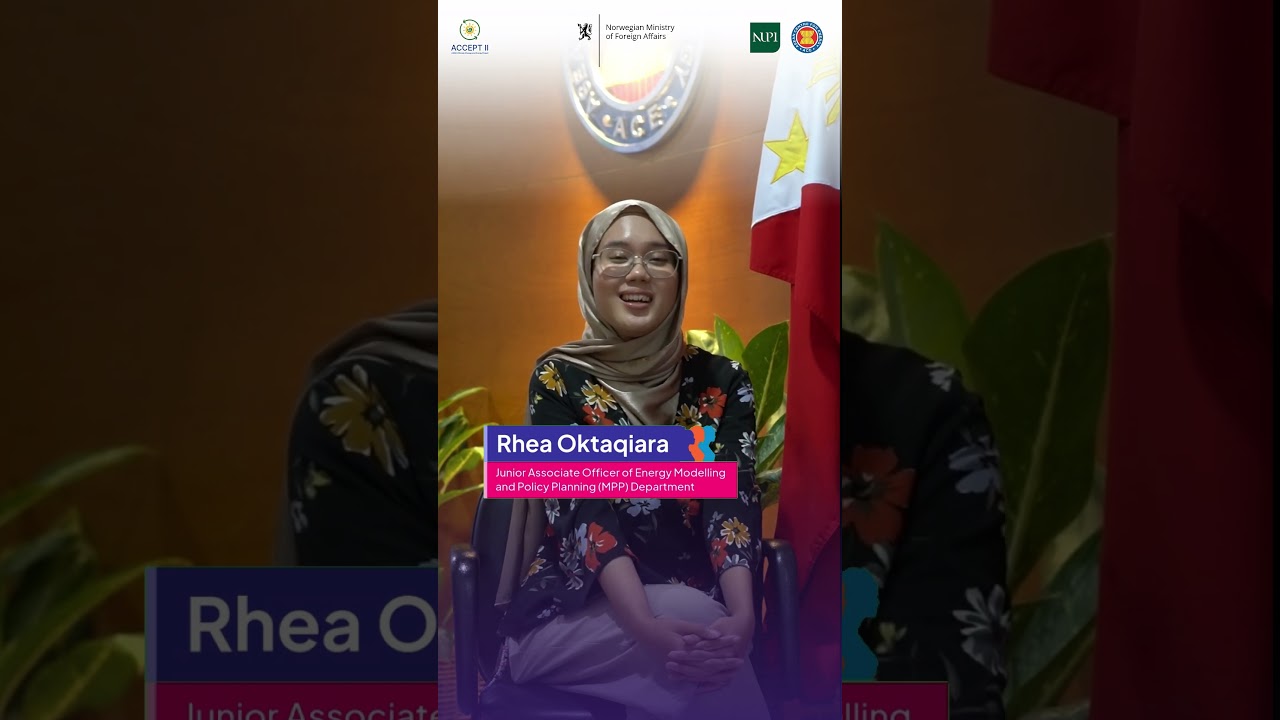
Reels Series · ACE"s Insights

ACE"s Insights on Rights,
Justice, and Action for
Women in ASEAN Energy

When women"s rights to safe and fair energy access are in focus, how can they use their voice to make a difference in the energy sector? What actions has ACE taken to empower women in the energy sector?
Articles

Publications

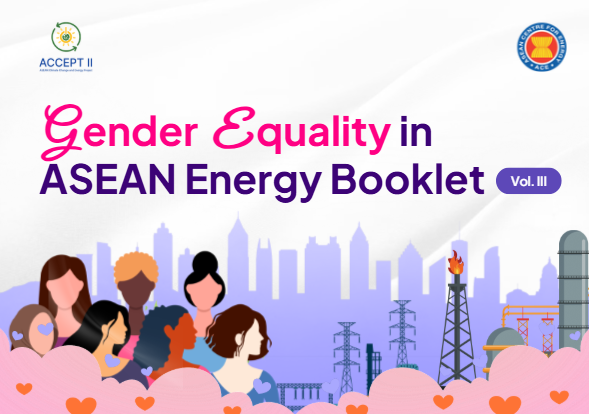
Gender Equality in ASEAN Energy Booklet - Volume III

Gender Equality in ASEAN Energy Booklet - Volume III

Building a Just Energy Transition: ASEAN’s Growing Climate Investments, Global Collaborations and Carbon Policies Development

Building a Just Energy Transition: ASEAN’s Growing Climate Investments, Global Collaborations and Carbon Policies Development

Advancing Clean Energy in ASEAN: Leveraging the Interlinkages between SDG7 and SDG13

Advancing Clean Energy in ASEAN: Leveraging the Interlinkages between SDG7 and SDG13

Gender Equality in ASEAN Energy Booklet - Volume II

Gender Equality in ASEAN Energy Booklet - Volume II

An Energy Sector Roadmap to Net Zero Emissions for Lao PDR

An Energy Sector Roadmap to Net Zero Emissions for Lao PDR

Gender Equality in ASEAN Energy Booklet

Gender Equality in ASEAN Energy Booklet

Partners

Norwegian Ministry of Foreign Affairs

Norwegian Ministry of Foreign Affairs

Norwegian Institute of International Affairs (NUPI)

Norwegian Institute of International Affairs (NUPI)

We connect, inform, and empower ASEAN's energy community. Through regional cooperation, knowledge exchange, and evidence-based insights, ACE drives progress toward a secure, sustainable, and integrated energy future for all, fulfilling its three (3) key roles as:

Catalyst

To advance ASEAN energy goals by unifying and strengthening ASEAN energy cooperation and integration.

Explore Secretariat

Knowledge Hub

To function as an energy data and knowledge hub by providing a knowledge repository and related services.

Explore Knowledge Hub

Think Tank

To serve as an ASEAN energy think tank by assisting with research and practical solutions for the Member States.

Explore Analysis